by Pi Accountancy | Sep 25, 2024 | Frequently Asked Questions
What is Accrual Accounting? Accrual accounting is a method of recording financial transactions when they happen, rather than when money changes hands. This approach helps businesses gain a more accurate picture of their financial health by tracking income and expenses...

by Pi Accountancy | Sep 19, 2024 | Advisory and Resources, Frequently Asked Questions, Self-Employment and SMEs, Taxes
Income Tax is a tax you pay on the money you earn. The government collects this tax through HMRC. The money collected supports public services such as the NHS and education. However, not all income is taxable. What Counts as Taxable Income? You pay Income Tax on a...
by Pi Accountancy | Sep 17, 2024 | Advisory and Resources, Business, Frequently Asked Questions, Taxes
Capital Gains Tax (CGT) applies when you make a profit after you sell or dispose of an asset. However, CGT only applies to the gain, not the total amount you receive. For example: You buy a painting for £5,000. Later you sell it for £25,000. You have made a £20,000...
by Pi Accountancy | Sep 13, 2024 | Pension
State Pension Triple Lock Introduced in 2010, the Triple Lock is a government guarantee to increase the State Pension every year by whichever of three measures is the highest: 2.5% Inflation (measured by the Consumer Prices Index in September of the previous year)...
by Pi Accountancy | Sep 12, 2024 | Pension
What is Pension Credit? Pension Credit is an income-related benefit that offers extra money to help with your living costs. It’s available to those over State Pension age and is especially beneficial if you’re on a low income. Importantly, you can receive Pension...
by Pi Accountancy | Sep 11, 2024 | Pension
State Pension Increase Explained Good news first – the government have proposed raising the State Pension in April 2026. For those who receive the New Full State Pension (introduced after April 2016), the payment will increase from £221.20 to £230.05 per week. This...
by Pi Accountancy | Sep 5, 2024 | Frequently Asked Questions
What are HMRC Penalties? HMRC imposes penalties on taxpayers who fail to comply with their tax obligations. Consequently, these penalties serve as a deterrent to non-compliance and encourage everyone to adhere to tax laws. If you don’t file your tax return on...
by Pi Accountancy | Aug 28, 2024 | Advisory and Resources, Business, Frequently Asked Questions
A Cash Flow Statement shows how money moves in and out of your business over a set period. This highlights where your cash comes from and how you spend it. As a result, you gain a real-time view of your financial activity. Unlike other reports, such as a Balance Sheet...
by Pi Accountancy | Aug 28, 2024 | Frequently Asked Questions
What is an Income Statement? An Income Statement, also known as a Profit and Loss Statement (P&L), summarises a company’s income and expenses over a specific period. It provides a snapshot of a business’s financial performance and is essential for...
by Pi Accountancy | Aug 27, 2024 | Advisory and Resources, Business, Frequently Asked Questions, Regulations and Schemes, Software
A Balance Sheet is a financial statement that lists a company’s assets, liabilities and equity. It shows the financial position of a business on a specific date. Most businesses prepare balance sheets monthly, quarterly or annually. A Balance Sheet forms one of...
by Pi Accountancy | Aug 22, 2024 | Advisory and Resources, Frequently Asked Questions, Payroll and Employment, Taxes
A P45 is the document you receive when you leave a job. It provides a clear summary of your earnings and the tax you have paid during the current tax year. Your employer must provide this document when your employment ends. This applies whether you resign, retire or...
by Pi Accountancy | Aug 21, 2024 | Advisory and Resources, Frequently Asked Questions, PAYE, Payroll and Employment, Taxes
A P60 is an end-of-year tax summary. Your employer provides it after the tax year ends. The tax year runs from 6 April to 5 April. This document shows how much you earned and how much tax you paid. It brings together all important figures from the year in one place....
by Pi Accountancy | Aug 20, 2024 | Advisory and Resources, Frequently Asked Questions, PAYE, Payroll and Employment
A P30 is a document that shows employers how much tax and National Insurance they owe for a specific period. Employers send this document alongside their payment to HMRC. Moreover, employers collect the required tax and National Insurance from employee wages. Read...
by Pi Accountancy | Aug 15, 2024 | Frequently Asked Questions
What is an Accounting Journal? An accounting journal is a record where businesses document their financial transactions in chronological order. This process is the first step in the accounting cycle and is crucial for accurate financial reporting. Accountants and...
by Pi Accountancy | Aug 14, 2024 | Frequently Asked Questions
What is an Accounting Ledger? An accounting ledger records all financial transactions organised by account. This ledger records every financial move made by the business, providing a comprehensive view of its financial health. Think of it as the backbone of a...
by Pi Accountancy | Aug 13, 2024 | Frequently Asked Questions
What is an Accounting Period? An accounting period is a specific timeframe for which a business prepares its financial statements and reports. The purpose of an accounting period is to provide a consistent basis for measuring and reporting financial performance. This...
by Pi Accountancy | Aug 7, 2024 | The Budget
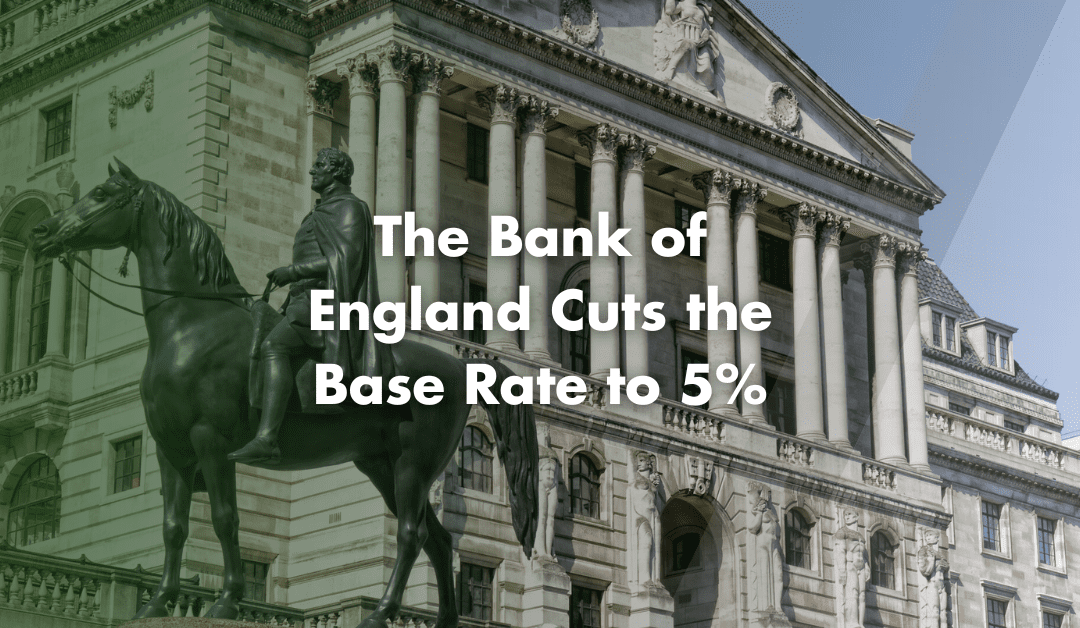
The Bank of England Cuts the Base Rate to 5% On the 1st August 2024, the Bank of England cut the base rate from 5.25% to 5% – marking the first base rate cut in over four years! The Bank of England (BoE) uses the base rate to control inflation, which also...
by Pi Accountancy | Aug 6, 2024 | Frequently Asked Questions
What is a Business Bank Account? A business bank account specifically manages the finances of a business. Unlike personal bank accounts, business bank accounts offer features tailored to business needs, helping you to manage income, expenses, and financial...
by Pi Accountancy | Aug 1, 2024 | Advisory and Resources, CIS, Regulations and Schemes, Self-Employment and SMEs
Contractors under the Construction Industry Scheme (CIS), must deduct tax from payments made to subcontractors. CIS Statements are the actual documents which detail how much the contractor paid and deducted. Additionally, each statement covers one tax month and...
by Pi Accountancy | Jul 25, 2024 | Business
The Cycle to Work Scheme is a government-backed initiative that helps employees save money on bicycles and cycling gear. It aims to promote healthier and more sustainable commuting habits while reducing traffic congestion and air pollution. Since its introduction in...
by Pi Accountancy | Jul 23, 2024 | Advisory and Resources, National Insurance, Payroll and Employment, Pension, Regulations and Schemes
National Insurance funds the State Pension and several contributory benefits. However, not every worker pays National Insurance from their first pound of earnings. Instead, the system uses a series of thresholds, one of these being the Lower Earnings Limit (LEL). What...
by Pi Accountancy | Jul 18, 2024 | Advisory and Resources, Allowances, Regulations and Schemes, Self-Employment and SMEs
Maternity Allowance can support your income when you take time off to have a baby. Many self-employed parents rely on it. Additionally, some employees claim it when they do not qualify for Statutory Maternity Pay. What is Maternity Allowance? Maternity Allowance is a...
by Pi Accountancy | Jul 16, 2024 | Frequently Asked Questions, Self Assessment
HMRC uses the Self Assessment system to collect Income Tax and requires taxpayers to complete a yearly tax return. Self Assessment is for those who do not have their taxes automatically deducted from their earnings or for those with additional income sources....
by Pi Accountancy | Jul 11, 2024 | Frequently Asked Questions
Does Tax Apply to Marketable Securities? Yes, tax does apply to Marketable Securities. Marketable securities quickly and easily convert into cash due to their high liquidity. Common stocks, treasury bills, and bonds, traded on public stock exchanges, are examples of...