

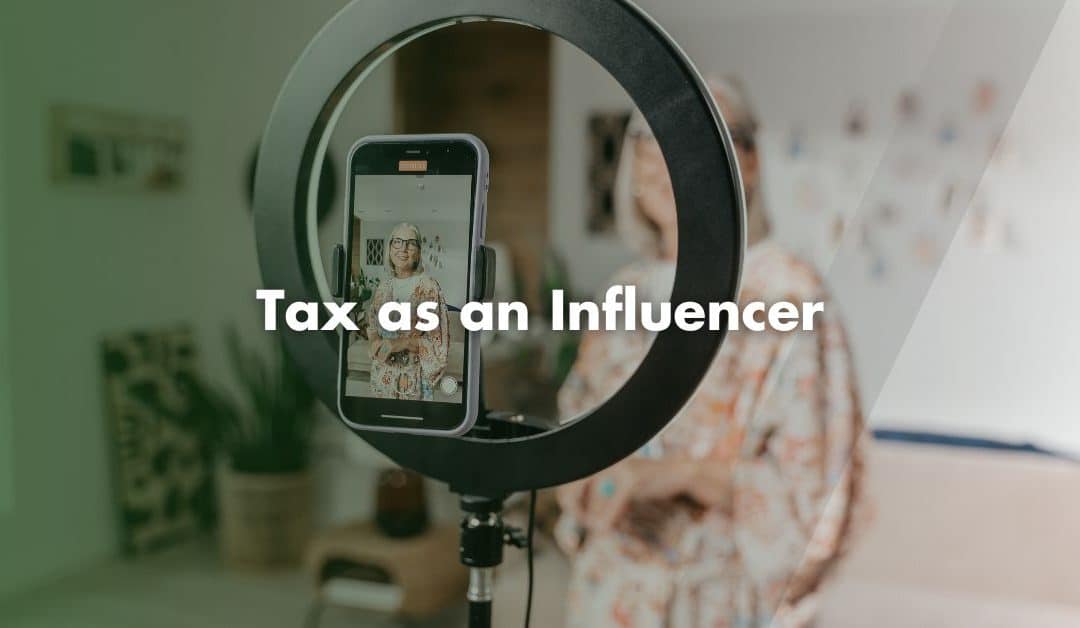
The growth of social media has created a whole new world of career opportunities, with the role of influencers at the forefront. But once you start receiving payments or gifts as an influencer, you need to consider your tax obligations.
By registering with HMRC and keeping track of your income and gifts, you will be compliant. This not only protects your income but also builds your credibility as a professional.
Defining an Influencer
An influencer is someone who affects the buying habits or opinions of others through online content. They often focus on a niche area, such as food or fitness, and build a loyal audience who value their recommendations. Influencers vary in size, from mega-influencers with millions of followers to nano-influencers with smaller but highly engaged communities.
What matters most is not your follower count, but the trust and influence you hold over your audience. With the influence comes responsibility, especially when it comes to declaring income and gifts correctly.
Influencing as a Hobby or as a Business
If you post for fun, occasionally receive free meals or earn small one-off payments, you are probably still a hobbyist. But if you create content with a strategy and work with brands regularly, while expecting to make money, HMRC will likely view you as “Trading”.
The key question to ask yourself is: Am I doing this to earn a profit?
If yes, you are probably running a business. Once your earnings exceed the £1,000 Trading Allowance or you start working with brands consistently, you must register with HMRC. Even if your profits are small, registering early prevents future penalties.
How Influencers Make Money
Influencers can earn money in several ways, and income often comes from more than one source.
The main sources of influencer income include:
- Platform payments
- Affiliate marketing
- Sponsored content
- Gifted products and experiences
- Selling your own products
You should always be open with your followers about paid partnerships or gifted items. Honesty will help you build trust and ensures you follow advertising rules.
Registering with HMRC
If you are trading as an Influencer, you will need to register your business with HMRC.
Most influencers start out as Sole Traders, meaning:
- You trade under your own name
- File a Self Assessment tax return
- Pay Income Tax and National Insurance on your profits
As your brand grows, you may decide to create a Limited Company. This makes your business a separate legal entity, giving you extra protection and potential tax advantages. You will need to pay Corporation Tax on company profits and file a Company Tax Return.
The right structure for you depends on your earnings, goals and whether you plan to employ others.
Paying Tax on Your Influencer Income
The amount of tax you pay as an influencer depends on your total profits. Everyone gets a Personal Allowance of £12,570 per year, meaning you will not pay tax below that amount. Anything above is taxable at the appropriate rate depending on your income bracket.
If you are self-employed, you will also pay National Insurance on your profits.
If you have another job, you may pay both Class 1 National Insurance (through your employer) and Class 4 on your influencer income.
Tax on Gifted Items
HMRC considers gifted items as “Payments In Kind“, which means non-cash items given as payment. If a brand sends you a product or offers a free service in exchange for a post, it counts as taxable income. You must declare the item’s market value, which is the price it sells for.
So if a company sends you a designer handbag worth £200 in exchange for content, it is taxable. Similarly, a gifted spa trip worth £300 in return for a vlog counts as income. However, if a brand sends you a small, unsolicited gift worth under £50 with no expectation to post about it, it is unlikely to be taxable.
You should always keep notes about who sent the gift, its value and why you received it.
Tax on PR Gifts
Not all PR gifts are taxable, but many are. HMRC mainly considers three things when assessing whether a gift is taxable:
| Value | Gifts worth more than £50 are usually taxable |
| Type | Gifts you can sell or exchange for cash are usually taxable |
| Purpose | Gifts received in return for promotion count as income |
If a brand sends you something for personal reasons, such as birthday gift with no obligations, it is usually tax-free. You should keep any evidence that shows there was no commercial agreement, such as an email.
Keeping Records and Claiming Expenses
Running an influencer business comes with expenses, but you can deduct many of these costs to reduce your tax bill.
This can include:
- Cameras, microphones and lighting equipment
- Phone and internet bills used for content creation
- Editing software and design tools
- Travel and accommodation for business events or shoots
- Non-gifted products bought specifically for creating content
If your expenses exceed your income, you will record a loss, which you can often carry forward to offset against future profits.
Failure to Declare
If you fail to declare taxable income or gifts, HMRC can issue penalties. If they believe it was a genuine mistake, you may face a fine of up to 30% of the tax owed.
However, if they believe you intentionally hid income, penalties can reach up to 100%.
Contact Us
We are not just accountants; we are Chartered Accountants with one of the most reputable and premium accounting bodies. We are registered and regulated by ACCA; so you can rest assured that you are in good hands. Knowing this, don’t hesitate to get in touch with us if you require assistance: Pi Accountancy | Contact Us
This article is for general informational purposes only and does not constitute legal or financial advice. While we aim to keep our content up to date and accurate, UK tax laws and regulations are subject to change. Please speak to an accountant or tax professional for advice tailored to your individual circumstances. Pi Accountancy accepts no responsibility for any issues arising from reliance on the information provided.