

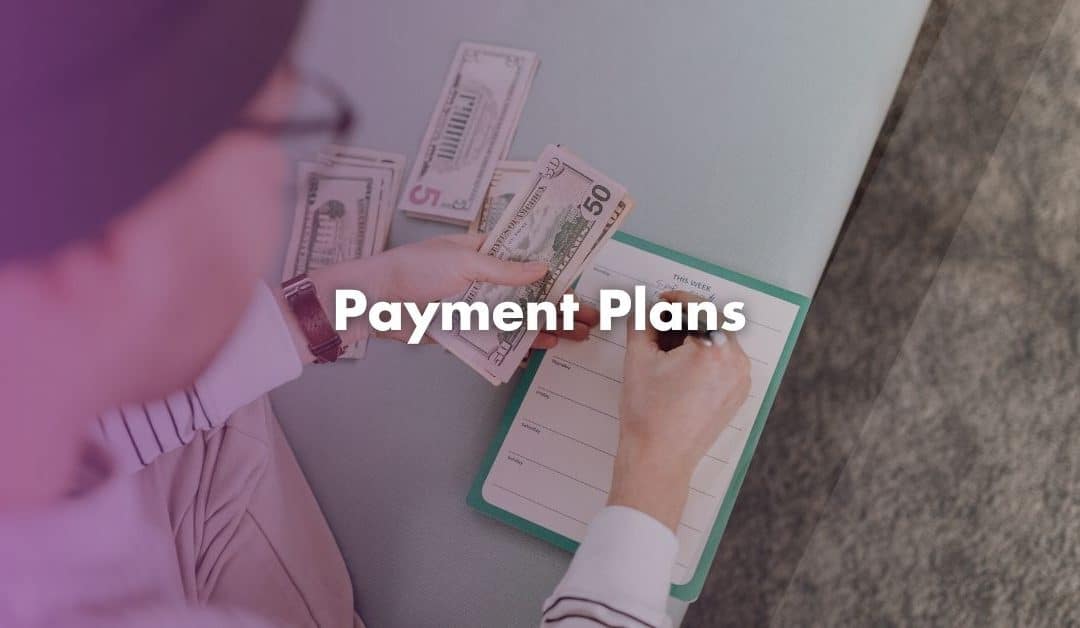
Payment Plans allow people to repay an outstanding balance through smaller instalments. Instead of paying everything immediately, the customer agrees to make regular payments.
These payments may take place weekly, fortnightly or monthly. The arrangement usually continues until the customer clears the full outstanding balance. Most importantly, the repayment amount should remain affordable.
Why Businesses Offer Payment Plans
Businesses need customers to pay invoices on time. However, demanding immediate payment may not always produce the best outcome.
A customer may genuinely want to pay but lack enough available funds. In this situation, a payment plan can create a clear route forward. It can also help a business maintain regular cash flow.
Furthermore, regular instalments often provide more certainty than repeated promises of future payment. A payment plan also reduce the need for further recovery action.
What Makes a Good Payment Plan
A successful payment plan needs to work for both parties. The customer must afford the payments. Meanwhile, the business needs confidence that the balance will reduce within a reasonable period.
Before agreeing a plan, it helps to consider:
- The total outstanding balance
- The customer’s current financial cirumstances
- How often the customer receives income
- Other essential financial commitments
- A realistic repayment period
- The best payment date each month
- How the customer will make each payment
Both sides should understand the payment amount, payment dates and final repayment date. The right payment method can also make a repayment plan easier to manage.
For example: Direct Debit or standing order payments can suit regular monthly instalments.
Putting Payment Plans in Writing
Businesses should always keep a clear record of any agreed payment arrangement. A written agreement reduces the chance of future misunderstandings.
It should include:
- The outstanding balance
- The instalment amount
- The payment frequency
- The first payment date
- The expected final payment date
- The agree payment method
- What happens if the customer misses a payment
The wording does not need to become complicated. However, both parties should clearly understand the arrangement.
Ready to Take Control of Your Cash Flow?
Our expert team is here to help you recover debts efficiently and improve your cash flow. Contact us today to speak with a specialist and discover how our tailored credit management solutions can support your business.
Call us on 01452 69 89 89, Email us at enquires@pi-credit.co.uk or fill out our quick Contact Form and we’ll be in touch shortly. Follow us on Facebook for more!
This article is for general informational purposes only and does not constitute legal or financial advice. While we aim to keep our content up to date and accurate, UK laws and regulations are subject to change. Please speak to a professional for advice tailored to your individual circumstances. Pi Credit Management accepts no responsibility for any issues arising from reliance on the information provided.