by Pi Accountancy | Nov 4, 2025 | Companies House, Regulations and Schemes
The Economic Crime and Corporate Transparency Act (ECCTA) 2023 tackles financial crime and increases corporate transparency in the UK. The Act introduces stricter regulations on businesses to prevent economic crimes such as fraud and money laundering. The Act received...

by Pi Accountancy | Oct 29, 2025 | Advisory and Resources, HMRC, Taxes
Dealing with HMRC can often feel like navigating a maze. Fortunately, you do not need to manage everything on your own. You can authorise an agent or someone you trust to act on your behalf. This allows them to handle your tax affairs directly with HMRC while you stay...
by Pi Accountancy | Oct 22, 2025 | HMRC
The Government Gateway is the UK’s system for accessing many HMRC services, including managing your personal and business taxes. If you’re new to the Government Gateway, this guide will walk you through the process of setting up your account, holding tax...
by Pi Accountancy | Oct 21, 2025 | HMRC, Taxes
The Personal Tax Account has changed the way taxpayers handle their tax affairs. Since its launch in December 2015, millions of people have used this online service to manage their taxes. What is a Personal Tax Account? Before the introduction of digital tax services,...
by Pi Accountancy | Oct 15, 2025 | Advisory and Resources, Companies House, HMRC
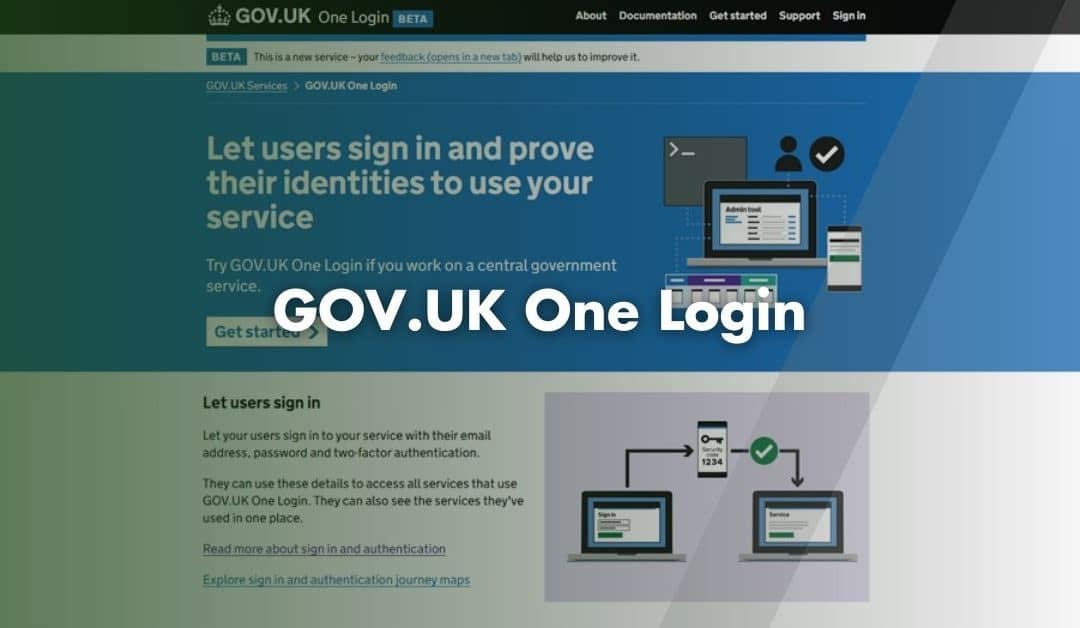
Accessing different government services online used to mean juggling a long list of usernames, passwords and sign-in methods. Some departments shared common systems, such as Government Gateway, but many still maintained their own separate logins. Now, the government...
by Pi Accountancy | Oct 14, 2025 | Advisory and Resources, Business, Companies House, Regulations and Schemes
Verifying your identity has never been more important. Whether you are setting up a company or becoming a director, you must prove who you are. Proof of Identity checks protect everyone involved and keep businesses compliant with legal requirements. Identity...
by Pi Accountancy | Oct 1, 2025 | Advisory and Resources, Business, Corporation Tax, Regulations and Schemes, Taxes
Running a limited company comes with responsibilities and one of them is filing your Company Tax Return. You do this using the CT600. Knowing what this form is and how to submit it correctly can save you time and money. What is the CT600? The CT600 is the official...
by Pi Accountancy | Sep 30, 2025 | HMRC, Taxes
HMRC has relaunched a scheme that allows it to access take unpaid taxes directly from people’s bank accounts. If you owe at least £1,000 and ignore repeated reminders, HMRC can now instruct your bank or building society to release the funds. This includes money...
by Pi Accountancy | Sep 23, 2025 | COVID-19, Regulations and Schemes
The government has opened a voluntary repayment window for people and businesses that received unentitled COVID support money. This is your final chance to repay what you owe. The window stays open until December 2025. Official Guidance: Covid repayment window opens...
by Pi Accountancy | Sep 17, 2025 | Companies House
Managing and being named under multiple businesses is common in the UK. Many entrepreneurs and investors register more than one company under their name on Companies House. While this is perfectly legal, it can sometimes raise questions. Without proper management,...
by Pi Accountancy | Sep 11, 2025 | Companies House, Frequently Asked Questions
A Dormant Company is a limited company that is officially registered with Companies House but is not currently carrying out any business activity or receiving income. Simply, the company is not trading and receiving absolutely no income. That means it is not: Selling...
by Pi Accountancy | Sep 9, 2025 | Advisory and Resources, HMRC, Taxes
When sending large sums of money to HMRC, many taxpayers only feel at ease once they confirm their payment has cleared. The good news is that checking whether HMRC has received your payment is simple. Who Needs to Pay Tax to HMRC? Not everyone needs to pay HMRC...
by Pi Accountancy | Aug 19, 2025 | Companies House, Frequently Asked Questions
A Confirmation Statement is an annual report that directors submit to Companies House. It confirms details about your business, such as: Registered office address Details of directors and shareholders Standard Industrial Classification (SIC) codes to describe business...
by Pi Accountancy | Aug 14, 2025 | HMRC
HMRC is facing mounting criticism over long delays in processing tax refunds. In cases, individuals and businesses have been waiting more than four months to receive their money. This marks a sharp increase from the previous average of four to six weeks. For small...
by Pi Accountancy | Aug 12, 2025 | Corporation Tax, Regulations and Schemes, Taxes
Full Expensing is a tax relief which should encourage businesses to invest in their own growth. It allows them to claim the entire cost of qualifying Plant and Machinery in the year they purchase it. This immediate deduction reduces your taxable profits and frees up...
by Pi Accountancy | Aug 5, 2025 | Companies House
If you run a limited company in the UK, many of your legal obligations rely on one small but powerful tool: The Companies House Authentication Code. This unique code acts as your digital signature and grants you secure access to update your company’s information...
by Pi Accountancy | Jul 29, 2025 | Advisory and Resources, HMRC, Self-Employed
Whether you are launching a freelance career or building a full-time business, the first step is to register as Self-Employed with HMRC. This makes sure you declare your income properly and that you meet all legal obligations. What Does It Mean to Be Self Employed?...
by Pi Accountancy | Jul 9, 2025 | HMRC, Self Assessment, Taxes
If you are self-employed or submit a Self Assessment tax return, you should be familiar with Payments on Account. These advance payments help spread the cost of your tax bill across the year, preventing one large lump sum. The Second Payment on Account is fast...
by Pi Accountancy | Jul 8, 2025 | Companies House, HMRC, Regulations and Schemes
Every limited company in the UK must file Annual Accounts. These accounts, often referred to as Statutory Accounts, provide a detailed and transparent view of your company’s financial position over the past year. Filing these accounts is a legal obligation. What...
by Pi Accountancy | Jun 26, 2025 | Companies House
Companies House is the UK’s official register of companies. If you run a limited company in the UK, you must provide specific information that becomes publicly available. This requirement supports a wider framework of corporate openness. Why Must Company...
by Pi Accountancy | Jun 18, 2025 | Companies House
To increase transparency and reduce fraud, Companies House now requires you to verify your identity if you manage or own a UK-registered company. This is part of the Economic Crime and Corporate Transparency Act 2023 and therefore represents a shift in how companies...
by Pi Accountancy | Jun 17, 2025 | HMRC
HMRC Interest Rates are a major consideration for business owners. These rates, now firmly tied to the Bank of England Base Rate, bring sharper consequences for late payments and a clearer reward system for overpayments. How HMRC Sets Interest Rates Legislation...
by Pi Accountancy | Jun 9, 2025 | Companies House, HMRC
From 31st March 2026, the Joint Filing Service provided by HMRC and Companies House will permanently close. This long-standing and free service has allowed small companies to submit both their Annual Accounts and Company Tax Return in one convenient step. However,...
by Pi Accountancy | Jun 6, 2025 | HMRC
HMRC has reported a loss of £47m due to a large-scale phishing scam which targeted the UK tax system in 2024. Organised crime gangs carried out this fraud by exploiting stolen personal information to create new tax accounts or by hijacking existing ones. Using these...