by Pi Accountancy | Mar 10, 2026 | Frequently Asked Questions, HMRC, Taxes
Tax Investigation Insurance is a specific type of cover that protects you from the professional fees you will incur if HMRC investigates your tax affairs. These tax investigations can come from irregularities in your tax returns or entirely at random. The insurance...

by Pi Accountancy | Mar 10, 2026 | Frequently Asked Questions, HMRC, Taxes
An HMRC Tax Investigation, also known as a compliance check, is an official review of an individual’s or business’s tax records. HMRC wants to confirm that they are calculating and paying their taxes correctly. These investigations therefore allow HMRC to...
by Pi Accountancy | Feb 24, 2026 | Advisory and Resources, Business, Corporation Tax, Regulations and Schemes, Taxes
Most limited companies pay Corporation Tax 9 months and 1 day after their year end. However, larger companies must pay their Corporation Tax in quarterly instalments during the accounting period itself. HMRC refers to this system as Quarterly Instalment Payments...
by Pi Accountancy | Feb 19, 2026 | Advisory and Resources, Company Car, Self-Employment and SMEs
While running your business, you may drive to client meetings, carry tools, transport stock or collect supplies. Because of this, vehicle expenses can take up a large part of your business budget. The good news is that you can claim many of these costs and lower your...
by Pi Accountancy | Feb 17, 2026 | Advisory and Resources, Business
Not every cost fits neatly into headings such as rent or wages. Some payments arise unexpectedly and do not justify their own category. These are Sundry Expenses. Although each cost may seem minor, they can build up over the course of a year. Therefore, you must...
by Pi Accountancy | Feb 4, 2026 | Advisory and Resources, Companies House, Director, Regulations and Schemes, Self-Employment and SMEs
Authorised Corporate Service Providers (ACSPs) will play an important role in how businesses continue to interact with Companies House. They will help confirm identities and protect the public register from misuse. Over time, most third-party agents will also need to...
by Pi Accountancy | Feb 2, 2026 | Advisory and Resources, Regulations and Schemes, Self-Employment and SMEs
Money laundering is the process of disguising illegally obtained earnings to make them appear legitimate. In the UK, Anti-Money Laundering (AML) Regulations are in place to detect, prevent and prosecute these activities. This is a global issue which undermines the...
by Pi Accountancy | Jan 9, 2026 | Advisory and Resources, Frequently Asked Questions, General
Interest Rates appear in the news almost every week. They guide inflation and influence how people borrow and save. As the rates change, they effect your household budget and your long-term plans. What is Interest? Interest is the extra amount you pay when you borrow...
by Pi Accountancy | Dec 19, 2025 | Advisory and Resources, Business, HMRC, Regulations and Schemes, VAT
VAT on hot food often causes confusion for businesses and customers alike. One of the most high-profile and closely watched VAT disputes involved Morrisons and its rotisserie chickens. After a lengthy legal battle, the First-Tier Tax Tribunal have ruled against...
by Pi Accountancy | Dec 16, 2025 | Advisory and Resources, Business, Regulations and Schemes, Taxes
Many people exchange Christmas presents without ever worrying about tax. Gifts between friends and family are usually not subject to Income Tax, but large lifetime gifts can have Inheritance Tax implications for the giver. However, when gifts relate to work or...
by Pi Accountancy | Dec 9, 2025 | Advisory and Resources, Payroll and Employment, Taxes, The Budget
If you run a business in the UK, you may already be familiar with the Apprenticeship Levy. This tax has funded apprenticeship training since 2017. However, following the November 2025 Autumn Budget, the government has confirmed that the new Growth and Skills Levy will...
by Pi Accountancy | Dec 4, 2025 | Advisory and Resources, Allowances, The Budget
From April 2027, the annual Individual Savings Allowance (ISA) will remain £20,000. However, the government will now ring-fence £8,000 specifically for Investment ISAs. This split in the ISA allowance means that anyone under 65 can save up to £12,000 a year in a Cash...
by Pi Accountancy | Dec 3, 2025 | Advisory and Resources, Business, Payroll and Employment, The Budget
The Autumn Budget 2025 introduced a wide range of changes that aim to boost youth employment and support employers across the country. These apprenticeship reforms create clearer pathways for young people who want to start their careers. They also give businesses...
by Pi Accountancy | Dec 2, 2025 | Advisory and Resources, Taxes, The Budget
The UK Government is preparing to introduce a new pay-per-mile tax for Electric Vehicle (EV) and Plug-In Hybrid drivers, confirmed in the Autumn Budget 2025. For years, these drivers have benefitted from incentives meant to encourage them to switch from petrol and...
by Pi Accountancy | Dec 1, 2025 | Advisory and Resources, Business, Company Car, Regulations and Schemes
To simplify fuel reimbursement, HMRC publishes Advisory Fuel Rates (AFRs). These rates provide a clear and consistent way to calculate fuel-only mileage costs. With this in mind, AFRs only apply to employees who drive a company car. What are Advisory Fuel Rates? HMRC...
by Pi Accountancy | Nov 26, 2025 | Advisory and Resources, Regulations and Schemes, Taxes, The Budget
The November Budget 2025 has arrived. The unexpected and accidental early publication caused a buzz in Westminster and gave the public an early look at the government’s plans. The 2025 Budget introduces major tax changes, new support measures and several important...
by Pi Accountancy | Nov 20, 2025 | Advisory and Resources, General, Regulations and Schemes, The Budget
From 1st December 2025, savers across the UK can enjoy much stronger protection for their money. The Financial Services Compensation Scheme (FSCS) will increase its protection limit from £85,000 to £120,000. The Bank of England approved this rise because inflation has...
by Pi Accountancy | Nov 11, 2025 | Advisory and Resources
When running a business, you often have to balance loans, assets and cash flow. One helpful accounting method that supports this balancing act is Amortisation. What is Amortisation? Amortisation spreads the cost of a loan or intangible asset over a set period. Instead...
by Pi Accountancy | Nov 7, 2025 | Advisory and Resources, Business
Choosing the right business structure can have a major impact on how your business grows and operates daily. In the UK, the Limited Liability Partnership (LLP) is a popular choice. It blends the flexibility of a traditional partnership with the protection of a limited...
by Pi Accountancy | Oct 29, 2025 | Advisory and Resources, HMRC, Taxes
Dealing with HMRC can often feel like navigating a maze. Fortunately, you do not need to manage everything on your own. You can authorise an agent or someone you trust to act on your behalf. This allows them to handle your tax affairs directly with HMRC while you stay...
by Pi Accountancy | Oct 28, 2025 | Advisory and Resources, General, Software
Signing documents digitally has never been easier and Adobe Sign provides a straightforward and efficient way to sign agreements, forms and PDFs. Whether you’re signing via email, managing documents online or working on a PDF, this guide will walk you through...
by Pi Accountancy | Oct 23, 2025 | Advisory and Resources, Taxes
The State Pension is set to increase again in April 2026, offering millions of retirees a helpful boost. For many older people, this annual rise is essential for keeping up with rising living costs. However, because the Personal Allowance remains frozen, more...
by Pi Accountancy | Oct 16, 2025 | Business
A Certificate of Incorporation is one of the most important legal documents a business can possess. If you are setting up a limited company, you will receive this document as confirmation that your company officially exists and is recognisable by law. Upon...
by Pi Accountancy | Oct 15, 2025 | Advisory and Resources, Companies House, HMRC
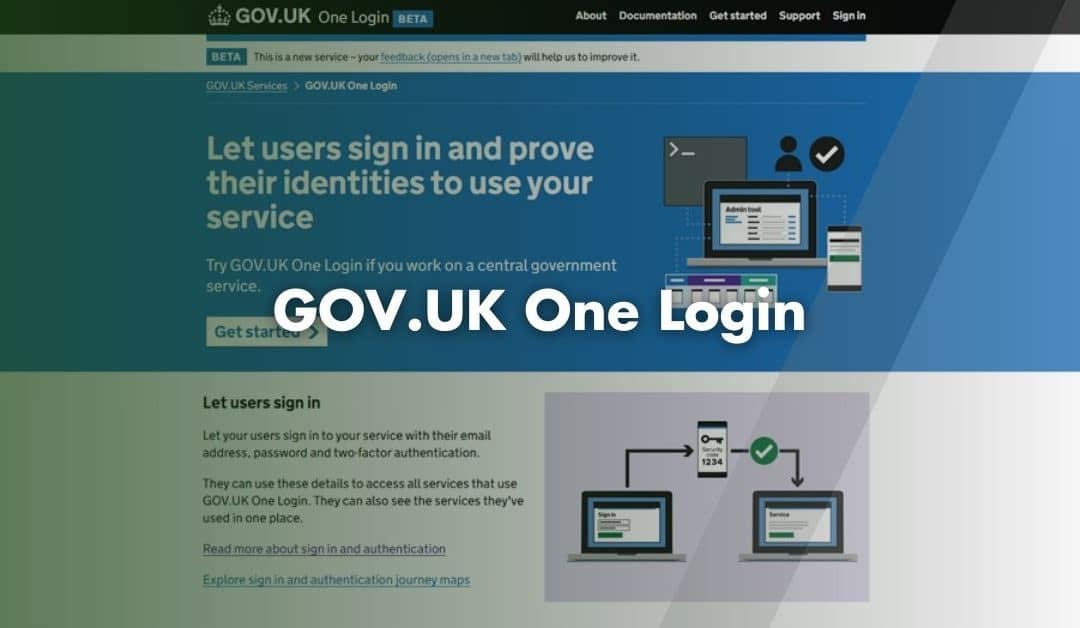
Accessing different government services online used to mean juggling a long list of usernames, passwords and sign-in methods. Some departments shared common systems, such as Government Gateway, but many still maintained their own separate logins. Now, the government...