by Pi Accountancy | Sep 22, 2026 | Advisory and Resources, Frequently Asked Questions, Taxes, VAT
VAT Reverse Charge shifts the responsibility for reporting VAT from the supplier to the customer. As a result, businesses must adjust how they handle VAT on certain transactions. How VAT Works Without the Reserve Charge All VAT-registered businesses must add VAT to...

by Pi Accountancy | Jul 28, 2026 | Advisory and Resources, Frequently Asked Questions, Wills
Probate is the legal process that gives someone the authority to deal with a person’s estate after they pass away. The estate includes everything the person owned (such as property and possessions) and any outstanding debts. Probate ensures the the gathering of...
by Pi Accountancy | Jul 14, 2026 | Advisory and Resources, Business, Frequently Asked Questions
Your Gross Profit Margin shows the percentage of sales revenue that remains after you subtract the Cost of Goods Sold (COGS). Simply, it tells you how much profit you keep from each pound earned before you pay overhead costs. For example: A Gross Profit Margin of 60%...
by Pi Accountancy | Jul 2, 2026 | Advisory and Resources, Allowances, Frequently Asked Questions, Regulations and Schemes, Self-Employed, Self-Employment and SMEs
The Trading Allowance is a £1,000 tax-free allowance per tax year. It applies to those with self-employed or casual income. It covers income from: Selling goods online through platforms such as eBay or Vinted Freelance or gig work (including design or virtual...
by Pi Accountancy | Jul 1, 2026 | Advisory and Resources, Frequently Asked Questions, Payroll and Employment, Taxes
HMRC uses emergency tax codes when they do not have enough information about your income. As a result, it applies an estimated tax calculation to your pay. Normally, HMRC calculates your tax based on your total earnings across the tax year. However, an emergency tax...
by Pi Accountancy | Jun 24, 2026 | Advisory and Resources, Business, Frequently Asked Questions
Accounts Payable and Accounts Receivable help you answer two questions: How much do I owe? How much am I owed? When you understand both clearly, you can make better financial decisions and keep your business running smoothly. Accounts Payable Accounts Payable is the...
by Pi Accountancy | Jun 15, 2026 | Advisory and Resources, Allowances, Frequently Asked Questions, Payroll and Employment, Taxes
Everyone who earns money pays Income Tax. However, you do not pay tax on all your income. The Personal Allowance lets you earn a set amount each year without paying tax. For the 2026/27 tax year, the standard Personal Allowance is £12,570. This means you can earn up...
by Pi Accountancy | Jun 11, 2026 | Advisory and Resources, Business, Frequently Asked Questions
Double Entry Bookkeeping forms the foundation of modern accounting. It records every transaction twice. One entry appears as a debit and the other appears as a credit. This shows how each transaction affects your business in two ways. In other words, money always...
by Pi Accountancy | Jun 11, 2026 | Advisory and Resources, Business, Frequently Asked Questions
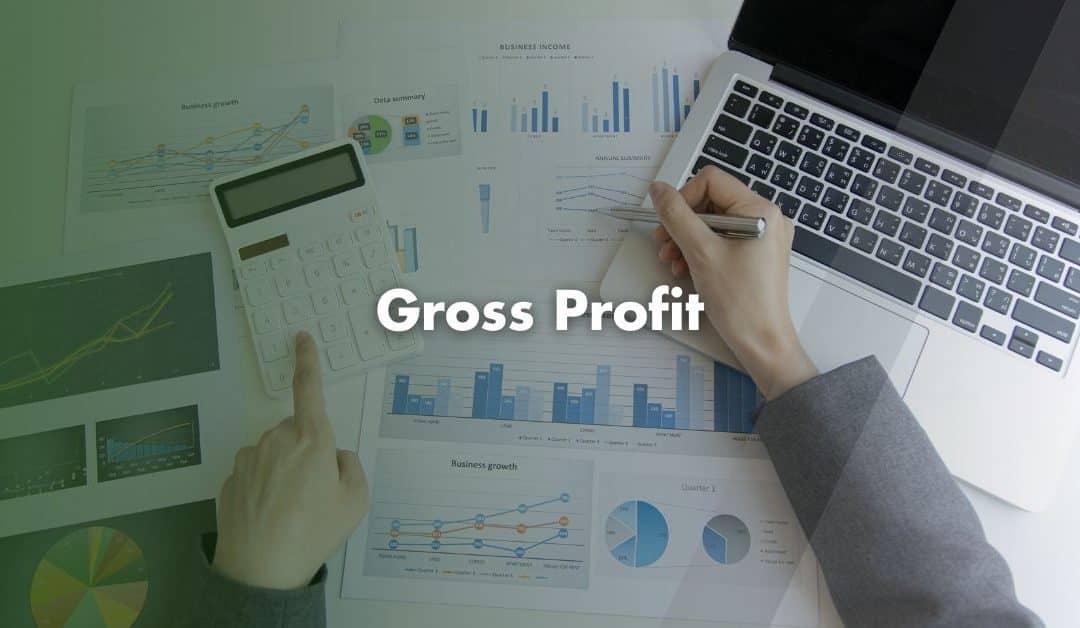
Gross Profit shows how much money a business earns from its core activities. It measures the difference between sales revenue and the direct cost of producing goods or services. Simply, it shows how much money remains after covering production costs. This figure...
by Pi Accountancy | Jun 11, 2026 | Advisory and Resources, Business, Frequently Asked Questions
Net Profit is the money left after you pay all business costs. These costs include: Materials Wages Rent Interest Taxes Simply, it is your “bottom line” which shows what you actually keep from your sales once everything gets paid. This figure reflects the...
by Pi Accountancy | Jun 10, 2026 | Advisory and Resources, Business, Frequently Asked Questions
Debits and Credits form the backbone of accounting. Once you understand them, you can record transactions with confidence and accuracy. You will also gain a stronger understanding of how your business finances operate. Explaining Debits and Credits Every financial...
by Pi Accountancy | Jun 9, 2026 | Advisory and Resources, Frequently Asked Questions, Payroll and Employment, Taxes
A tax code tells your employer or pension provider how much Income Tax to deduct from your pay or pension. Each source of income has its own tax code, which HMRC creates and issues. Therefore, if you have more than job or pension, you will receive more than one tax...
by Pi Accountancy | Jun 2, 2026 | Advisory and Resources, Frequently Asked Questions, Regulations and Schemes, Taxes
National Insurance (NI) is a tax on earnings. You pay it when you work and earn above certain limits. It also applies to profits if you run your own business. National Insurance helps you qualify for several state benefits, as your contributions can support: The State...
by Pi Accountancy | May 21, 2026 | Advisory and Resources, Frequently Asked Questions, Payroll and Employment, Regulations and Schemes
A P11D reports Benefits In Kind and certain expenses provided to employees or directors during the tax year. HMRC treats many of these benefits as taxable income, so employers must report them carefully. The submitted information allows HMRC to calculate how much tax...
by Pi Accountancy | May 13, 2026 | Advisory and Resources, Business, Frequently Asked Questions, Regulations and Schemes
Management Accounts are internal financial reports which help business owners and senior managers monitor performance. They contain detailed financial information as well as commentary and analysis. Businesses usually prepare them either monthly or quarterly. Unlike...
by Pi Accountancy | May 12, 2026 | Advisory and Resources, Frequently Asked Questions, Software
CSV stands for Comma-Separated Values. A CSV file stores information in a simple table-like format using plain text. Each line in the file represents a row of data. A comma then separates each value within the row. This structure allows software to organise...
by Pi Accountancy | May 7, 2026 | Advisory and Resources, Director, Frequently Asked Questions, Payroll and Employment
Directors’ Remuneration is the total compensation a director receives for their work. This includes more than just a salary. A typical package may include: Salary or director’s fees Performance-based bonuses Pension contributions Share options or equity...
by Pi Accountancy | May 6, 2026 | Advisory and Resources, Business, Frequently Asked Questions
Overheads are the ongoing costs required to run your business. However, they do not link directly to one product, service or job. Simply, these costs support your business as a whole. You should still pay them even if sales slowed down for a period. When a bakery...
by Pi Accountancy | May 5, 2026 | Advisory and Resources, Frequently Asked Questions, Taxes
When selling your home, you may not need to pay Capital Gains Tax. Private Residence Relief can reduce or remove this tax liability when you sell your main home. Simply, you do not pay tax on the profit you made from selling your home. The relief applies to your only...
by Pi Accountancy | Apr 22, 2026 | Advisory and Resources, Frequently Asked Questions, Payroll and Employment
Remuneration refers to the total reward an employee receives for their work. It includes, salary, bonuses and a wide range of additional benefits. Simply, it represents the full value an employer offers in return for an employee’s time, skills and effort. What...
by Pi Accountancy | Apr 21, 2026 | Advisory and Resources, Business, Companies House, Frequently Asked Questions, Regulations and Schemes
A registered office address is the official location of a company. It is where government bodies send important correspondence. Companies House and HMRC use this address for all formal communication. This communication can include: Statutory notices and filing...
by Pi Accountancy | Apr 2, 2026 | Advisory and Resources, Frequently Asked Questions, VAT
VAT, or Value Added Tax, is a tax on most goods and services. Businesses collect VAT from customers and pass it to HMRC. Simply, the business acts as a middleman for the government. When you buy something, the price usually includes VAT. Therefore, you often pay it...
by Pi Accountancy | Apr 1, 2026 | Advisory and Resources, Frequently Asked Questions, Inheritance Tax, Taxes
Inheritance Tax is a tax on the estate of someone who has died. Your estate includes everything you own at the time of your death. An estate normally includes: Property or land Money in bank accounts Savings and investments Personal belongings (such as jewellery or...
by Pi Accountancy | Mar 10, 2026 | Frequently Asked Questions, HMRC, Taxes
Tax Investigation Insurance is a specific type of cover that protects you from the professional fees you will incur if HMRC investigates your tax affairs. These tax investigations can come from irregularities in your tax returns or entirely at random. The insurance...