by Pi Accountancy | Nov 4, 2025 | Companies House, Regulations and Schemes
The Economic Crime and Corporate Transparency Act (ECCTA) 2023 tackles financial crime and increases corporate transparency in the UK. The Act introduces stricter regulations on businesses to prevent economic crimes such as fraud and money laundering. The Act received...

by Pi Accountancy | Oct 29, 2025 | Advisory and Resources, HMRC, Taxes
Dealing with HMRC can often feel like navigating a maze. Fortunately, you do not need to manage everything on your own. You can authorise an agent or someone you trust to act on your behalf. This allows them to handle your tax affairs directly with HMRC while you stay...
by Pi Accountancy | Oct 28, 2025 | Advisory and Resources, General, Software
Signing documents digitally has never been easier and Adobe Sign provides a straightforward and efficient way to sign agreements, forms and PDFs. Whether you’re signing via email, managing documents online or working on a PDF, this guide will walk you through...
by Pi Accountancy | Oct 23, 2025 | Advisory and Resources, Taxes
The State Pension is set to increase again in April 2026, offering millions of retirees a helpful boost. For many older people, this annual rise is essential for keeping up with rising living costs. However, because the Personal Allowance remains frozen, more...
by Pi Accountancy | Oct 22, 2025 | HMRC
The Government Gateway is the UK’s system for accessing many HMRC services, including managing your personal and business taxes. If you’re new to the Government Gateway, this guide will walk you through the process of setting up your account, holding tax...
by Pi Accountancy | Oct 21, 2025 | HMRC, Taxes
The Personal Tax Account has changed the way taxpayers handle their tax affairs. Since its launch in December 2015, millions of people have used this online service to manage their taxes. What is a Personal Tax Account? Before the introduction of digital tax services,...
by Pi Accountancy | Oct 16, 2025 | Business
A Certificate of Incorporation is one of the most important legal documents a business can possess. If you are setting up a limited company, you will receive this document as confirmation that your company officially exists and is recognisable by law. Upon...
by Pi Accountancy | Oct 15, 2025 | Advisory and Resources, Companies House, HMRC
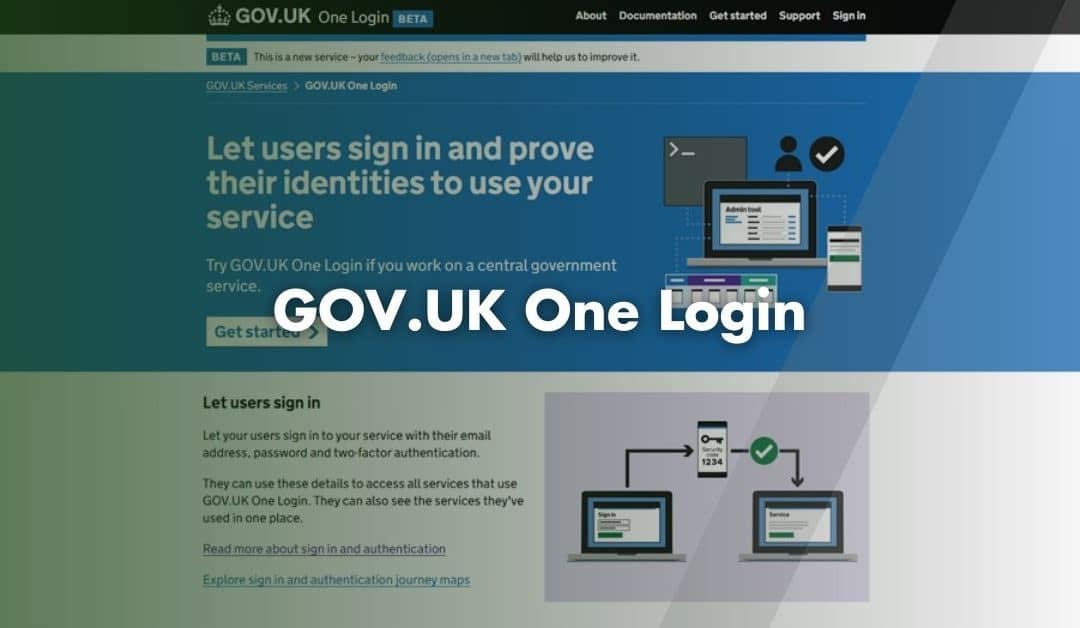
Accessing different government services online used to mean juggling a long list of usernames, passwords and sign-in methods. Some departments shared common systems, such as Government Gateway, but many still maintained their own separate logins. Now, the government...
by Pi Accountancy | Oct 14, 2025 | Advisory and Resources, Business, Companies House, Regulations and Schemes
Verifying your identity has never been more important. Whether you are setting up a company or becoming a director, you must prove who you are. Proof of Identity checks protect everyone involved and keep businesses compliant with legal requirements. Identity...
by Pi Accountancy | Oct 8, 2025 | General
Do you think of accountants as serious suit-wearing, pen-wielding number-crunchers? A bit dull and grey maybe? Think again! To combat misconceptions, we have put together this blog to showcase 10 accountant facts we bet you didn’t know. 1. The Invention of Bubblegum A...
by Pi Accountancy | Oct 7, 2025 | General
Window Tax is a curious piece of history. It has shaped homes and sparked debate for more than 150 years. Its legacy reminds us that while governments design taxes to raise funds, people always adapt to lessen the burden. Sometimes, those adaptations go on to reshape...
by Pi Accountancy | Oct 1, 2025 | Advisory and Resources, Business, Corporation Tax, Regulations and Schemes, Taxes
Running a limited company comes with responsibilities and one of them is filing your Company Tax Return. You do this using the CT600. Knowing what this form is and how to submit it correctly can save you time and money. What is the CT600? The CT600 is the official...
by Pi Accountancy | Sep 30, 2025 | HMRC, Taxes
HMRC has relaunched a scheme that allows it to access take unpaid taxes directly from people’s bank accounts. If you owe at least £1,000 and ignore repeated reminders, HMRC can now instruct your bank or building society to release the funds. This includes money...
by Pi Accountancy | Sep 25, 2025 | Advisory and Resources, Property Landlords, SDLT
Stamp Duty Land Tax is a tax you may need to pay when taking on leases in the UK. It can be a major expense, particularly for longer commercial leases or higher-value properties. What Stamp Duty Covers Stamp Duty applies to two elements of a lease: The Premium (the...
by Pi Accountancy | Sep 24, 2025 | Property Landlords
Buying a leasehold property is a way to own a home without purchasing the land. These properties are very common in the UK, especially for flats and maisonettes. Some houses can also be leasehold, particularly legacy and shared ownership schemes. The Leasehold and...
by Pi Accountancy | Sep 23, 2025 | COVID-19, Regulations and Schemes
The government has opened a voluntary repayment window for people and businesses that received unentitled COVID support money. This is your final chance to repay what you owe. The window stays open until December 2025. Official Guidance: Covid repayment window opens...
by Pi Accountancy | Sep 18, 2025 | Advisory and Resources, Taxes
Disallowable Expenses are a common source of confusion, but the rules are straightforward once you understand the basic principle. If a cost is not “Wholly and Exclusively” for business use, you cannot claim it. Claiming the wrong expenses can quickly lead...
by Pi Accountancy | Sep 17, 2025 | Companies House
Managing and being named under multiple businesses is common in the UK. Many entrepreneurs and investors register more than one company under their name on Companies House. While this is perfectly legal, it can sometimes raise questions. Without proper management,...
by Pi Accountancy | Sep 16, 2025 | Property Landlords, Taxes
Council Tax is a local tax on residential properties throughout England, Scotland and Wales. It helps councils fund a wide range of essential services, such as: Rubbish collection Street lighting Recycling services Road maintenance Local schools Libraries Public parks...
by Pi Accountancy | Sep 11, 2025 | Companies House, Frequently Asked Questions
A Dormant Company is a limited company that is officially registered with Companies House but is not currently carrying out any business activity or receiving income. Simply, the company is not trading and receiving absolutely no income. That means it is not: Selling...
by Pi Accountancy | Sep 10, 2025 | Company Car
A fuel card lets you purchase fuel exclusively at designated petrol stations. It works much like a credit or debit card, but businesses use it specifically for managing fuel expenses. The business pays for all transactions directly, so drivers do not need to pay...
by Pi Accountancy | Sep 9, 2025 | Advisory and Resources, HMRC, Taxes
When sending large sums of money to HMRC, many taxpayers only feel at ease once they confirm their payment has cleared. The good news is that checking whether HMRC has received your payment is simple. Who Needs to Pay Tax to HMRC? Not everyone needs to pay HMRC...
by Pi Accountancy | Sep 4, 2025 | Property Landlords, Taxes
Renting out property can be a fantastic way to earn extra income. To make the most of your rental income and avoid any unexpected tax bills, you need to understand how Property Income works. What is Property Income? Property Income is the money you earn from land or...
by Pi Accountancy | Sep 3, 2025 | Property Landlords, Taxes
Renting out property is a popular way to earn extra income. Whether you are letting a single flat, a family home or managing a portfolio of properties, you must understand the rules around rental income and taxation. What is Rental Income? Rental income includes more...