

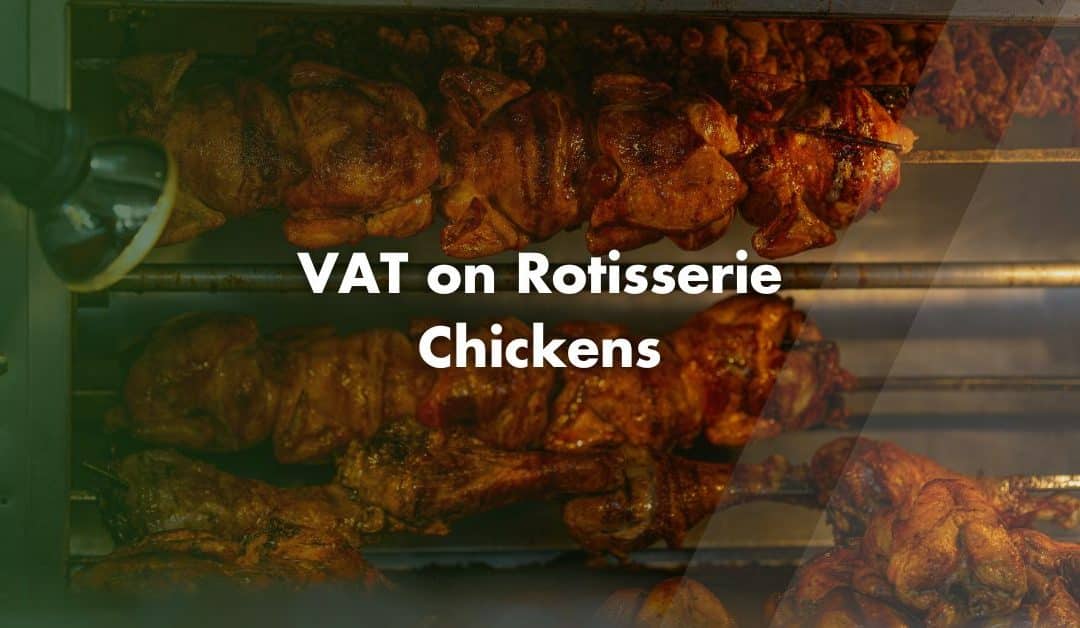
VAT on hot food often causes confusion for businesses and customers alike. One of the most high-profile and closely watched VAT disputes involved Morrisons and its rotisserie chickens. After a lengthy legal battle, the First-Tier Tax Tribunal have ruled against Morrisons and the supermarket now faces a VAT bill of around £17 million.
The case has lasted more than a decade and shows how complex VAT rules can become in practice. Even food sold with the intention of cooling down, can still count as “hot at the point of sale“.
VAT on Hot Food
Most cold food sold in the UK benefits from zero-rate VAT. This helps keep everyday food affordable for customers. However, hot takeaway food usually attracts VAT at the standard rate of 20%. VAT law sets out specific rules for hot takeaway food. To charge VAT, two main points must apply:
- The food must be above ambient air temperature at the point of provision to the customer
- The food must meet at least one specific condition set out in VAT law
These specific conditions cover how a business heats, stores, packages and advertises food. The rules aim to separate hot takeaway food from food that only happens to be warm as part of the cooking process.
In Morrisons’ case, the Tribunal reviewed several of these conditions in detail. It considered both the physical temperature of the chickens and how Morrisons presented them to customers in store.
Why Rotisserie Chickens Became a VAT Issue
Supermarkets commonly cook rotisserie chickens in-store. Staff then move them onto shelves rather than keeping them in heated cabinets. Customers often buy them as part of a larger shop. Many shoppers take these chickens home to eat cold or to reheat later.
The Morrisons Case of VAT on Rotisserie Chickens
In September and October 2021, HMRC issued Morrisons with VAT assessments totalling more than £17 million. These assessments covered sales made over several years. The case focused on what Morrisons described as “cool-down rotisserie chicken”. They cooked the chickens and placed them on unheated shelves. Morrisons also removed any unsold chickens after a set period.
The Tribunal needed to decide whether these chickens met the legal definition of hot food.
How the Tribunal Decided the Chickens Were Hot Food
The Tribunal found that Morrisons met key conditions that trigger VAT. Several factors influenced this decision.
First, the packaging played a major role. Morrisons sold the chickens in foil-lined paper bags. These bags retained heat after cooking. They also prevented hot fluids and grease from leaking. This design helped keep the chickens warmer for longer. As a result, the food stayed above ambient temperature when sold.
Second, the Tribunal accepted expert evidence on temperature. Witnesses showed that a chicken kept in its bag remained between approximately 42 and 45 degrees Celsius after two hours. Without the bag, the temperature would fall much faster. Therefore, the Tribunal decided that the chickens did not count as “incidentally hot”.
Third, the packaging carried a “Caution: Hot Product” label. This wording suggested that Morrisons sold the chickens as hot food. The Tribunal also noted that Morrisons removed the chickens from sale after around two hours. At that point, the chickens still remained hot.
Because of these combined factors, the Tribunal concluded that the chickens were kept hot after cooking and sold in heat-retaining packaging, meaning they fell outside the zero-rating rule.
The Legitimate Expectation Argument
Morrisons also argued that HMRC had previously accepted zero-rate for the chickens. This argument relied on the principle of legitimate expectation.
The Tribunal rejected this claim. It found that HMRC has not given clear and unqualified guidance on the VAT treatment of rotisserie chickens. The Tribunal also noted that Morrisons had not disclosed all relevant information during earlier discussions. This missing information included how long the chickens stayed hot and details about the heat-retaining features of the packaging.
Because of this, the Tribunal dismissed Morrisons’ appeal.
Why This Case Matters for Other Businesses
This case shows how small operational details can change VAT treatment. Packaging design, warning labels and food temperature can all affect whether VAT applies.
Businesses selling hot or warm food should review their processes carefully. They should not rely on assumptions or historic practice alone. Many products start hot and cool naturally. Retailers must now consider how packaging affects temperature and customer perception. This case also shows that customer intention alone does not decide VAT treatment.
Contact Us
We are not just accountants; we are Chartered Accountants with one of the most reputable and premium accounting bodies. We are registered and regulated by ACCA; so you can rest assured that you are in good hands. Knowing this, don’t hesitate to get in touch with us if you require assistance: Pi Accountancy | Contact Us
This article is for general informational purposes only and does not constitute legal or financial advice. While we aim to keep our content up to date and accurate, UK tax laws and regulations are subject to change. Please speak to an accountant or tax professional for advice tailored to your individual circumstances. Pi Accountancy accepts no responsibility for any issues arising from reliance on the information provided.