

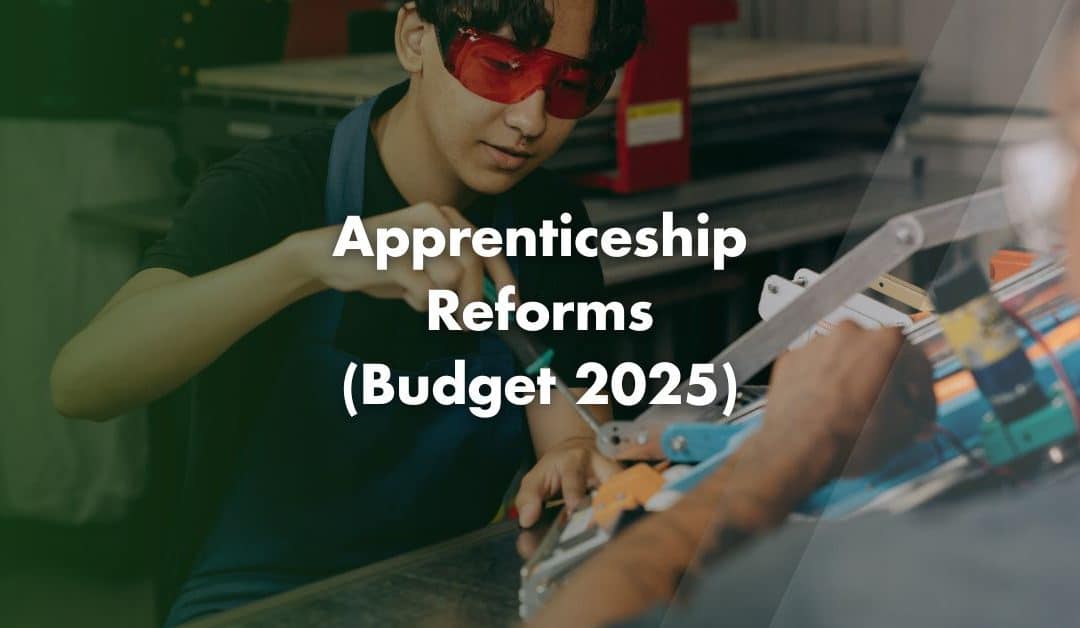
The Autumn Budget 2025 introduced a wide range of changes that aim to boost youth employment and support employers across the country. These apprenticeship reforms create clearer pathways for young people who want to start their careers. They also give businesses fresh reasons to invest in training and long-term workplace development.
Free Apprenticeship Training for Under-25s in SMEs
The government will now cover the full cost of apprenticeship training for apprentices under the age of 25. This gives small and medium-sized businesses (SMEs) a strong incentive to hire young people. It also removes a cost that once made some employers hesitate when considering apprenticeships.
Previously, SMEs had to contribute 5% of the training cost for most apprentices. This changed when the government removed that charge for apprentices under the age of 22. The new Budget extended that support to apprentices aged 22 to 24. As a result, more young people will access practical training routes and more businesses will feel confident about offering early-career roles.
Apprenticeship Levy Reforms
Large employers will also experience reforms to the Apprenticeship Levy. The government wants the system to work more efficiently. To achieve this, it will introduce several changes that aim to reduce waste and simplify processes.
The End of the 10% Top-Up
For many years, levy-paying employers received a 10% top-up from the government. This boosted the value of their levy funds. The Budget will remove this top-up, which means employers will now receive only the amount they pay in. Although this reduces the extra support employers once received, the government believes that the new approach will create a simpler and more transparent system. Employers will need to plan their programmes around their actual levy contributions.
Levy Funds Will Expire After 12 Months
Levy funds currently expire after 24 months if employers do not use them. The new rules shorten this window to 12 months. This increases pressure on employers to commit their funds more quickly. It also encourages them to build stronger partnerships with training providers. Because of the shorter deadline, employers may need to speed up their onboarding processes and monitor their training budgets more closely.
Co-Investment Rates Will Increase
When levy funds run out, the government currently covers 95% of the apprenticeship training costs. Employers then pay the remaining 5%. Under the new rules, the government will instead cover 75% and employers will pay 25%.
The Youth Guarantee
The Youth Guarantee forms a key part of the Budget’s focus on youth employment. The government will invest £820 million over three years to support young adults aged 18 to 21 who have struggled to find work. This scheme supports those who have spent at least 18 months on Universal Credit without studying or working.
Under the Youth Guarantee, every eligible young person will receive one of the following:
- A place in college
- An apprenticeship
- Personalised job support
If a young person still cannot secure work after 18 months, they will receive a six-month paid work placement. This gives them the experience they need to build confidence and improve their job prospects.
Rising Minimum Wage Rates
The Budget also increased minimum wage rates for young workers and apprentices. These updates aim to support living costs and make work more rewarding.
New rates from April include:
- £12.71 per hour for workers aged 21 and over
- £10.85 per hour for workers aged 18 to 20
- £8 per hour for apprentices under 19 or in their first year
These higher rates will help many young workers. However, some sectors that employ large numbers of young people may need to adjust their recruitment plans.
Contact Us
Do you have any questions about how the Budget 2025 may impact you? Our team is here to help. We are not just accountants; we are Chartered Accountants with one of the most reputable and premium accounting bodies. We are registered and regulated by ACCA; so you can rest assured that you are in good hands. Knowing this, don’t hesitate to get in touch with us if you require assistance: Pi Accountancy | Contact Us
This article is for general informational purposes only and does not constitute legal or financial advice. While we aim to keep our content up to date and accurate, UK tax laws and regulations are subject to change. Please speak to an accountant or tax professional for advice tailored to your individual circumstances. Pi Accountancy accepts no responsibility for any issues arising from reliance on the information provided.